I'm honored to have Dr. Joel Fuhrman guest blog for us here on The Kind Life. Dr. Fuhrman is a member of PCRM and author of numerous books about nutritional medicine. Today he tells us all about the wonders of cruciferous veggies. Enjoy!

Cruciferous Vegetables are Anti-Cancer Foods
By Dr. Joel Fuhrman
Nutrition scientists have shown over and over that people who eat more natural plant foods (vegetables, fruits, legumes, etc.) are less likely to be diagnosed with cancer. But are all vegetables equally protective? If we wanted to design an anti-cancer diet, we would want to know which foods have the most powerful anti-cancer effects - then we could eat plenty of these foods each day, flooding our bodies with the protective substances contained within them.
So, which foods have the most powerful anti-cancer effects? Cruciferous vegetables.
This family of vegetables is named for their flowers, having four equally spaced petals in the shape of a cross, from the Latin word "crucifer" meaning "cross-bearer." These are the cruciferous vegetables:
- Arugula
- Bok choy
- Broccoli
- Broccoli rabe
- Broccolini
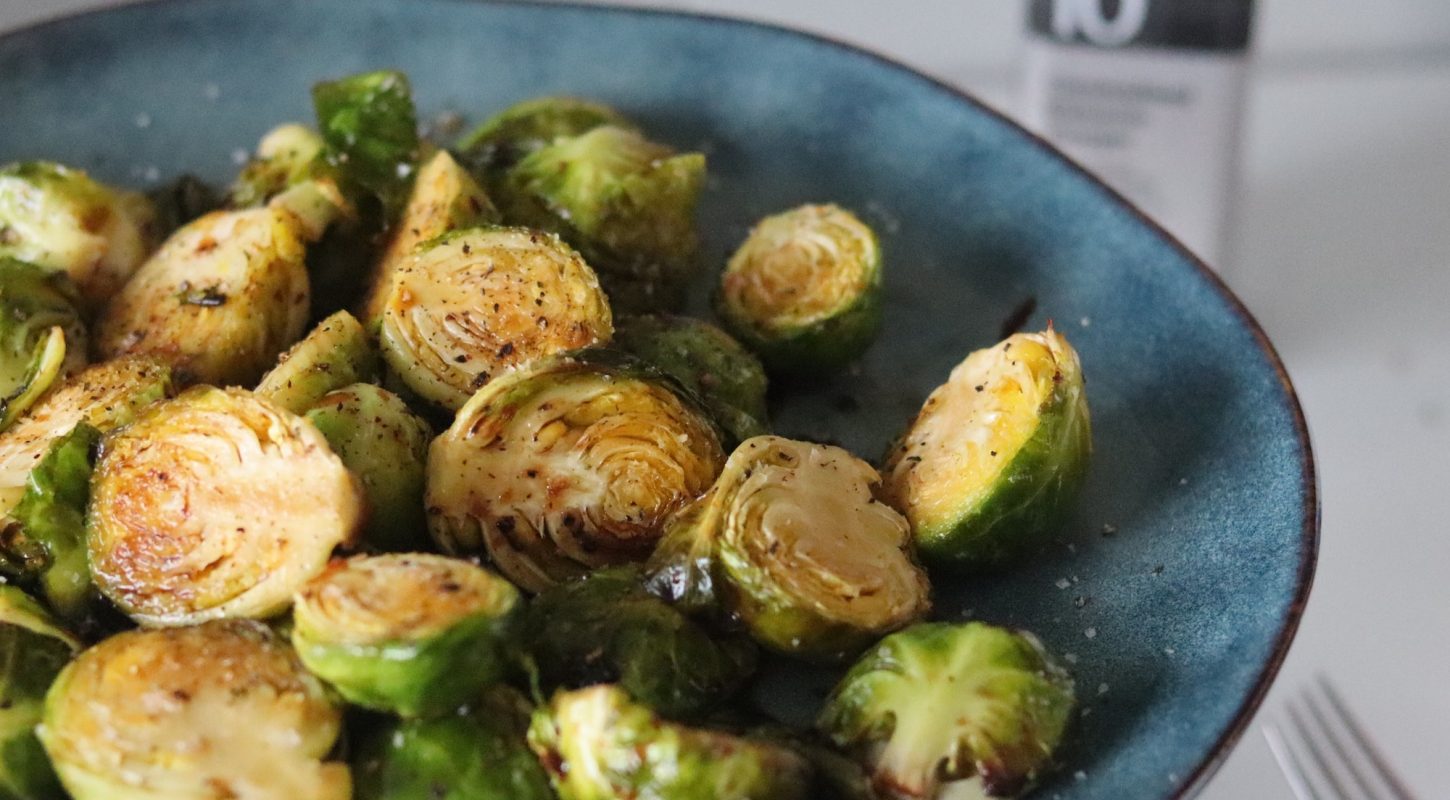
- Brussels sprouts
- Cabbage
- Cauliflower
- Collards
- Horseradish
- Kale
- Kohlrabi
- Mache
- Mustard greens
- Radish
- Red cabbage
- Rutabaga
- Turnips
- Turnip greens
- Watercress
All vegetables contain protective micronutrients and phytochemicals, but cruciferous vegetables are unique - they contain compounds called glucosinolates which are responsible for their pungent or bitter flavors. When cell walls are broken by blending or chopping, a chemical reaction occurs that converts glucosinolates to isothiocyanates (ITCs) - compounds with proven anti-cancer activities. The many ITCs work synergistically to remove carcinogens, kill cancer cells, and prevent tumors from growing. Some ITCs can even help the body excrete estrogen and other hormones, reducing the risk for hormonal cancers.
Cruciferous vegetables are twice as powerful as other plant foods. In population studies, a 20% increase in plant food intake generally corresponds to a 20% decrease in cancer rates, but a 20% increase in cruciferous vegetable intake corresponds to a 40% decrease in cancer rates.
Cruciferous vegetables are not only the most powerful anti-cancer foods in existence, they are also the most nutrient-dense of all the vegetables. Although the National Cancer Institute recommends 5-9 servings of fruits and vegetables per day for cancer prevention, they have not yet established specific recommendations for cruciferous vegetables. I recommend six fresh fruits and eight total servings of vegetables per day, including two servings of cruciferous vegetables - one raw and one cooked. Remember: chopping, chewing, blending, or juicing cruciferous vegetables allows for production of ITCs. Consuming a large variety of these ITC-rich cruciferous vegetables within an overall nutrient-dense diet can provide us with a profound level of protection against cancer.
For your next cruciferous vegetable dish, try one of these great recipes!
Dr. Fuhrman is a best-selling author, nutritional researcher and board certified family physician specializing in nutritional medicine. Learn more by visiting his informative website at DrFuhrman.com and his blog at Diseaseproof.com, and following Dr. Fuhrman on Facebook and Twitter.
Thank you Dr. Fuhrman!
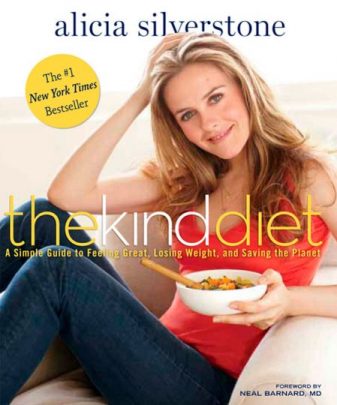
For all you superheroes, remember to go easy on the fruit, and choose those that are in season and grown locally. In macrobiotics, excessive fruit consumption is believed to weaken the blood, so superheroes should try not to eat more than one piece per day. For more on this, reread the superhero section of The Kind Diet (p. 97).
What do you Kind Lifers think? What are your favorite cruciferous veggies, and how do you like to prepare them?
22 comments
-
Interesting information: I took the whole article from this blog and copied it with a citation to your site onto my blog posting about "Solving Cancer"
Thank you for posting this :) I sincerely hope to get the truth out there so that others can survive cancering more effectively.
http://priusblack.blogspot.com/2012/01/solving-cancer.html -
help... I cant seem to find the original article regarding Dr. Fuhrman, can only read everyones reponse. Would love to read it and possibly read his book.
-
I do quite a bit of sauteing, so I saute my kale in olive oil, with sea salt, garlic pepper, and black pepper, I do the same with my cabbage, and with the cabbage I add mushrooms, super yummy!

-
This is great to read! I grow my own kale & eat it on a daily basis so this makes me feel really good about my kale habit. (I eat broccoli quite often, too.) Great info.
-
I love it! I JUST finished Eat To Live by Dr. Fuhrman. I just love how much I'm learning from you and Joel that I thought I already knew. In this world of ever-changing health information, it's nice to have a place to start with information backed by science. Thank you for sharing and I love the posts, links, and recipes!
-
Thanks for posting information from Dr. Fuhrman. He has so much science-based information on how a vegan lifestyle is best for health and longevity. It was his book, Eat to Live, that convinced me to go vegan, even before I read The Kind Diet. I would highly recommend reading Eat to Live, which is packed with facts on the benefits of a vegan diet and great recommendations for making a vegan diet fit easily into a busy lifestyle. His book Eat for Health is also great and has tons of delicious recipes that even make kale tasty.
-
I really love the idea of these little "warrior" phytonutrients battling the nasties trying to wreak harm in my system. Thanks for reminding us of the healthful benefits of the cruciferous family.
And, I'm always on the lookout for new recipes using these greens so thanks to everyone for sharing yours!!!
-
I make a different green smoothie each morning with kale and collards and fruits using a 2HP blender (VitaMix). This is free of dairy or any other animal based foods or refined ingredients. My health and feeling of well being has been superb since I began to eat a whole plant based diet.
Dr. Joel Fuhrman is one of my trusted sources of health information. His advice is consistent with Professor T. Colin Campbell, Dr. Caldwell Esselstyn, Jr., Dr. Dean Ornish, Dr. John McDougall, Dr. Neal Barnard, and many other independent nutrition researchers going back over a century. The book "Forks Over Knives" provides a rich source of other independent researchers who reached the same conclusions.
-
I love them any way I can get them :-)
I love them raw, steamed, and roasted. Here is my recipe for roasted cruciferous veggies:
http://veggiegrettie.com/2011/03/05/roasted-broccoli-an-cauliflower/
Gretchen
-
Why do we need to limit our fruit intake to only one piece per day? How does it "weaken the blood"? THat sounds a little phoney to me. Our ancestors lived off fruits primarily before cooking became so ubiquitous in society! I've also read about so many raw vegan athletes who swear by fruits and tennis players can be seen scarffing down multiple bananas between rounds!
-
-
My favorite is kale because I can cook it up by itself or toss it with pasta, eat it raw in a salad, or throw it raw into a peanut butter sandwich (I know it sounds weird, but try it!). I also love brussels sprouts but only buy them when they're in season and inexpensive.
-
I always try to include broccoli, kale, collards, or cauliflower for that reason.
Just did a post about Kale actually.....
http://elizabethskindcafe.com/recipes/snack/item/321-kale-chips
-
I am new to the Kind Diet, i am flirting, my favorites are broccoli, kale.
I like to Stir fry broccoli with an Asian flare
Kale- i make awesome salads with lots of greens and veggies and top with balsamic vinegar for the dressing -
I eat lots of kale! I love to dry-saute it to crisp it up, drizzle it with truffle oil, and sprinkle on some salt. I also eat some of the micro greens of thes vegetables (broccoli, for example). Do the microgreens contain the same nutrition as their more matured counterparts? I'm allergic to most veggies and I find that I'm less allergic to the microgreens:-/
-
I'm so glad you had Dr. Fuhrman do a guest post! I have almost all of his books and refer back to them all the time. Thanks for more great info!
--Emily Sweet http://www.onesweetvegan.com
-
I recently enjoyed some cauliflower steaks...courtesy of the recipe in The Kind Diet...so simple and so delicious! I swear roasted cauliflower tastes like candy! I also love making caulipots - see Isa Chandra Moskowitz's book "Appetite for Reduction" - it's basically mashed potatoes with cauliflower thrown in and mashed too. Yummy!
One of my favorite ways to get my broccoli and bok choy (and any others you want to throw in) is show here on my blog, as a quinoa stir fry with tofu.
http://www.vocalvegan.com/2010/12/quinoa-stir-fry-with-vegetables-and-tofu/
We eat this all the time! I can't get enough quinoa!
Sharon
-
Im happy about this because I have like 4-5 sevings of these veggies a day!Especially dark kale and cabbage !! I really enjoy the superhero recipes in your book Alicia..However I must say... I eat like 3-4 servings of fruit every single day!!i love fruit too much!!! :P , especially now the berries ( I live in Montreal Quebec) And i believe we have the BEST blueberries in the world!!!! Yummmmm... I love fresh produce, it makes me so happy!
Great post!! Tanya :-)
-
I love these reminders! Cruciferous vegetables are oh so important, and I try to eat them as often as possible. This is my favorite recipe that has some cruceriferous ingredients listed above: Massaged Kale Salad with Radishes, Granny Apples and Radishes. It's incredibly tasty!
-
Good to know. I've been eating a lot of raw cabbage salads recently. Finely shreaded and dressed with a tiny amount of oil, and a sprinkling of salt, or sometimes just with a little lime juice.
-
I agree with Addy! Cool! I never new all that info either! Makes me feel good about all the Kale and Collards I eat every day!
-

He's on MPT out here right now
Available at:
Available at:
Join the Discussion!