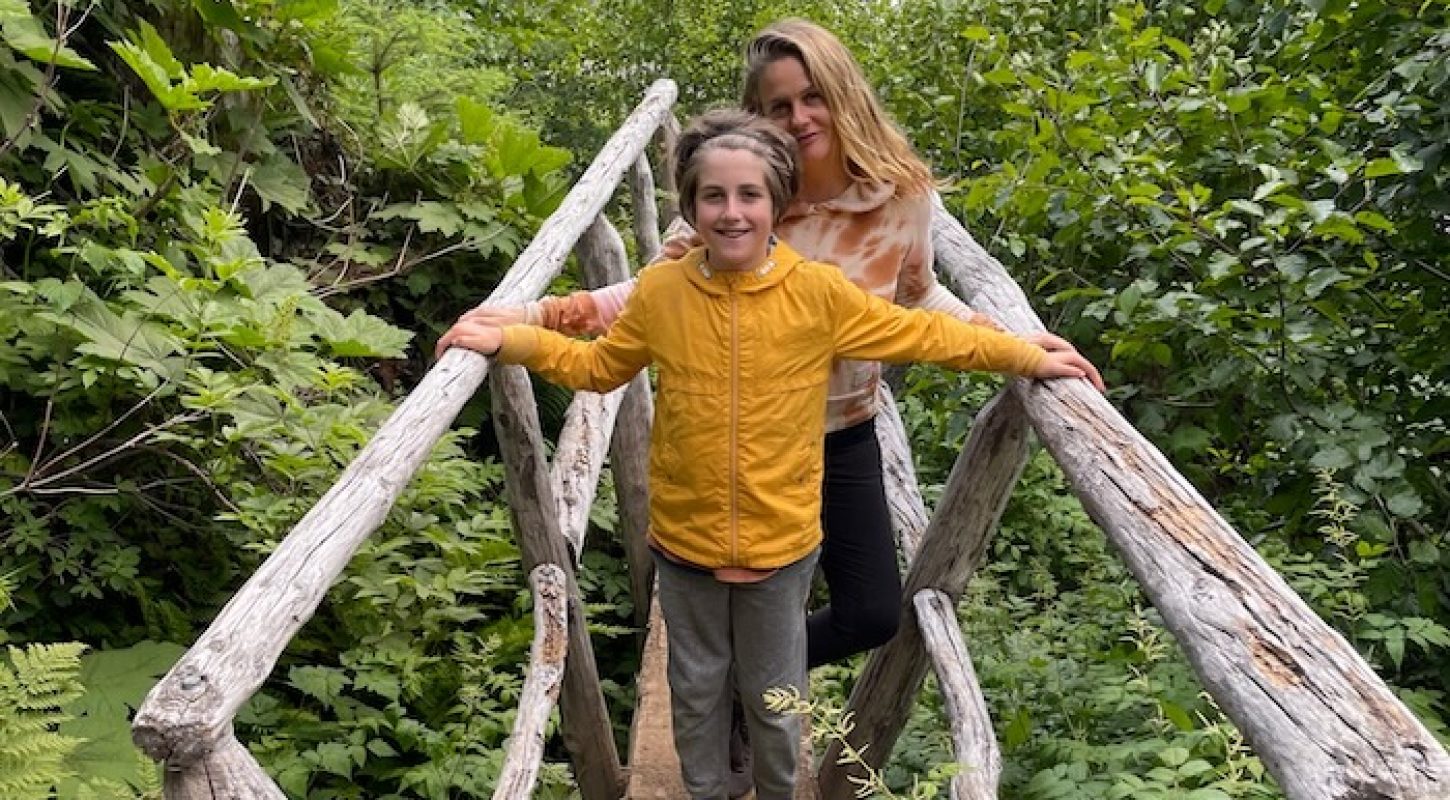
I’ve been thinking a lot about trees lately. It’s spring, so they’re waking up and blooming after a long winter. It’s beautiful to watch, but I’ve also been thinking about the more technical work they do: filtering the air we breathe, cooling the streets we walk on, holding entire ecosystems together without asking for anything in return except the space to do that.
The more I learn, the more I realize just how essential they are to all life here on earth. Forests are home to more than 80 percent of the world’s terrestrial biodiversity, and trees play a critical role in absorbing carbon, protecting water systems, and stabilizing the climate. Organizations like the Arbor Day Foundation have been working on protecting this for decades — planting more than 500 million trees globally and helping restore landscapes that communities and wildlife depend on.
Why planting trees matters
The scale of what’s needed is sobering. Globally, forests are still disappearing faster than they can recover. Between 2001 and 2019, 386 million hectares of tree cover were lost, far outpacing natural regeneration by more than seven times. Restoration is a scalable, effective climate solution, but only if it happens alongside other efforts, like protecting existing forests and addressing the drivers of deforestation, including logging and factory farming.
There is also a growing recognition that reforestation isn’t just about numbers; it’s about where and how trees are planted. The Arbor Day Foundation has focused much of its work on restoring forests lost to wildfire, pests, and extreme weather, planting more than 100 million trees globally. The organization emphasizes that these efforts are tied to tangible outcomes: protecting watersheds, stabilizing soil, restoring wildlife habitat, and improving air quality in communities that need it most. That framing — trees not just as climate tools but as infrastructure for healthier ecosystems and neighborhoods — has increasingly shaped how reforestation is discussed at both the policy and community level.
Trees bring balance to our world
Trees restore balance in places that need it right now — neighborhoods that run too hot in the summer, forests recovering after fires, and communities rebuilding after natural disasters. Trees are one of the simplest, most proven ways to support both planetary and human health at the same time.
If you take a moment to think about it, you probably have a special moment connected to a tree. I know I do. This spring, Arbor Day is helping to create more of those moments by planting a million new trees across U.S. communities while also inviting people to reflect on their own connection to trees. And for every story someone shares, a tree will be planted in a forest that needs it. It’s such a gentle, human way to turn reflection into action — to take something personal and let it ripple outward into real change. Because when we take care of trees, we’re taking care of everything they support: our air, our water, our communities, and all of us.
If you feel called to it, maybe take a moment to think about a tree that’s meant something to you. That connection is where all of this begins. By clicking this link, the Arbor Day Foundation will plant a tree in a forest in need as a thank you.